Professional, certified restoration services for Marin County homes and businesses.
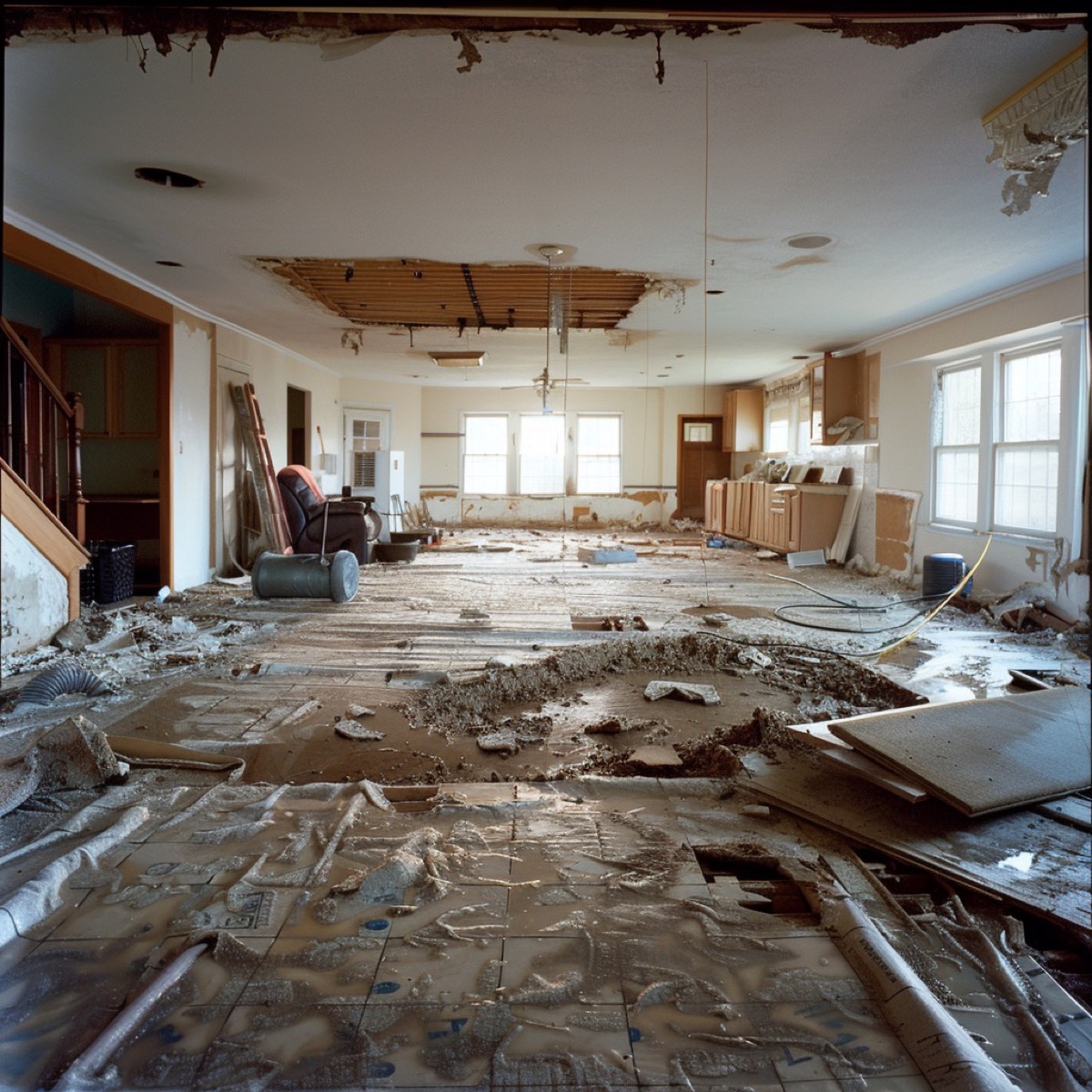
When a pipe bursts or a slab leak lets go in the middle of the night, water doesn't wait for a good time. It spreads under baseboards, wicks up drywall, and works its way into subfloors within the first few hours. We show up with high-capacity, truck-mounted extraction units and industrial wet vacs to pull standing water out fast, before gravity and capillary action pull it any deeper into your home's structure. Stopping the water at the surface cuts down the time your property needs under air movers for structural drying, and it lowers the odds of hidden mold taking hold behind a wall or under a floor. We handle everything from a few inches in a flooded garage in Novato to a fully saturated first floor after a major storm in San Rafael, and we're usually on site within the hour of your call.
Not every leak needs a truck to show up, but plenty of situations do. Standing water anywhere in the house is the obvious one, but the less obvious signs matter just as much: carpet that squishes underfoot, a musty smell that wasn't there yesterday, baseboards that have started to bow, or a humidity level that stays high no matter how many windows you open. Water heater failures, washing machine supply line breaks, and sump pump failures during a heavy storm are some of the most common calls we get in Marin County. If you're not sure whether what you're looking at needs professional extraction or just a mop and a fan, call and describe it. We'd rather talk you through a false alarm than have you wait two days on a real one.
Not all water is the same, and how we handle a job depends on where the water came from. Category 1 is clean water, a supply line break or an overflowing tub, and it's the easiest to extract and dry. Category 2, sometimes called gray water, comes from sources like a washing machine or dishwasher overflow and carries some contamination, so it needs a different cleaning protocol. Category 3, black water, comes from sewage backups or floodwater that's picked up contaminants on its way into your home, and it requires full protective equipment and more aggressive removal of anything porous that it touched. We identify the category before extraction starts, since that determines everything from the equipment we use to whether materials like carpet padding or drywall can be dried in place or need to come out.
The first step is always an inspection: walking the property, checking moisture levels with a meter, and sometimes using an infrared camera to see where water has traveled behind walls or under flooring that looks dry on the surface. From there we bring in submersible pumps for standing water over an inch or two deep, and industrial extraction wands for carpet, padding, and hard-to-reach corners. Once the bulk water is gone, we move straight into setting up air movers and dehumidifiers, since the extraction and drying phases overlap more than people expect. We recheck moisture readings over the following days until every affected material is back to a safe baseline, not just dry to the touch.
Most water extraction jobs end up tied to a homeowner's insurance claim, especially when the source was sudden and accidental, like a burst pipe or an appliance failure. We document the job as we go: moisture readings, photos before and after extraction, and a written scope of work your adjuster can use. That paperwork tends to move a claim along faster and gives you something concrete to point to if there's ever a dispute about what needed to be removed versus what could be dried and saved. We can't promise what your insurer will approve, since that decision is theirs, but we can make sure you're not starting that conversation empty-handed.
