Professional, certified restoration services for Marin County homes and businesses.
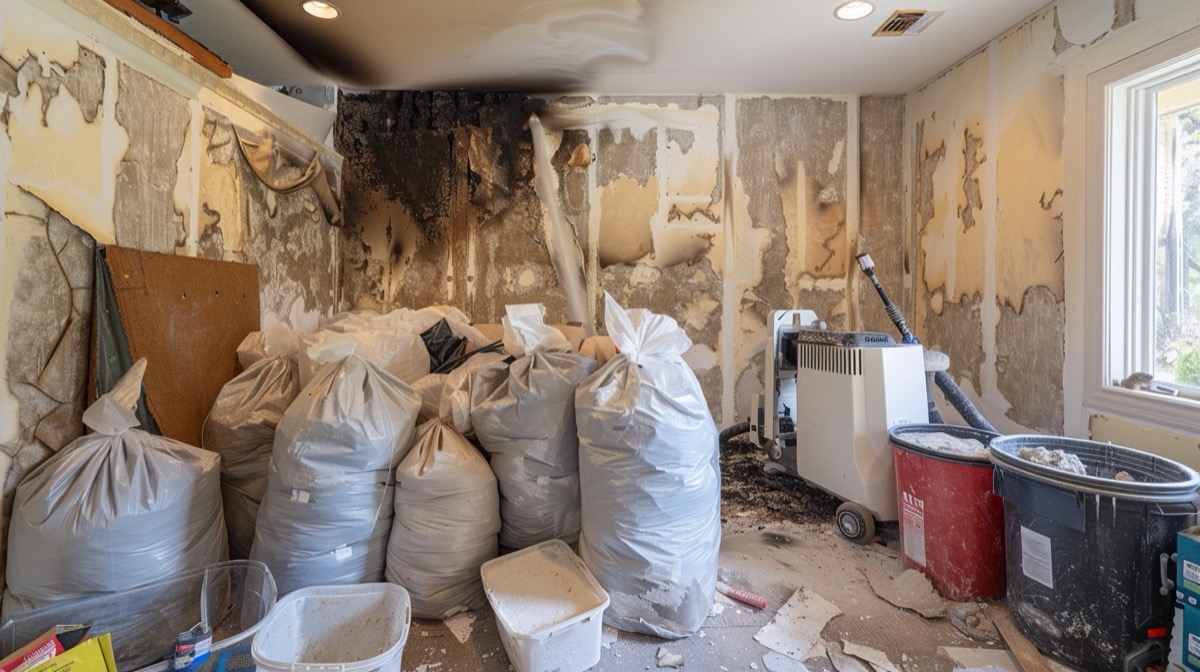
Storm and fire damage rarely show up as one clean problem. A storm that takes off part of a roof also lets rain into the attic for days before anyone notices, and a house fire almost always means water damage on top of the fire damage, since putting the fire out is what a fire hose actually does. We handle both ends of that, securing the property first so it stops getting worse, then working through debris removal, soot cleanup, and the moisture intrusion that follows either kind of event. We've boarded up storm-damaged roofs in Fairfax after a winter system came through and cleared soot and standing water out of a kitchen fire in Ross, and the first move is always the same: stop the damage from spreading before starting cleanup.
Marin County's winter storms bring wind gusts strong enough to peel back roofing material, snap tree limbs onto roofs and fences, and push driving rain sideways into places it was never meant to reach, around window flashing, through a cracked vent, under a garage door. Once water gets in through storm damage, it behaves the same way any other water intrusion does: it soaks into ceilings, drywall, and flooring, and it keeps spreading until someone stops it. We tarp exposed roof sections, board up broken windows or doors, and start extracting water the same day, since a delay of even a day or two turns a roof repair into a full interior restoration job.
Fire damage is rarely contained to where the flames actually reached. Smoke travels through HVAC ducts and settles on surfaces throughout the house, leaving behind soot and an odor that doesn't go away with an open window. On top of that, the water used to put the fire out has to go somewhere, and it usually ends up soaking into the same materials that weren't touched by flames or smoke. We clean soot off hard surfaces, treat lingering smoke odor, and extract the firefighting water before it causes a second round of damage on its own. Fire cleanup and water cleanup end up being the same job more often than people expect.
The first priority after either kind of event is stopping further exposure: tarping a damaged roof, boarding up broken windows or a compromised door, and securing the property against weather and unauthorized entry. From there we move into debris removal, clearing out damaged materials that can't be salvaged, followed by water extraction and structural drying for whatever moisture came with the storm or the firefighting effort. Left wet too long, that same moisture turns into a mold remediation problem on top of everything else, which is why we move on extraction and drying as soon as the property is secured.
Storm and fire claims almost always involve more than one type of damage, wind, water, smoke, sometimes all three on the same claim, and that complexity is exactly where good documentation matters most. We photograph the property as we find it, document every step of debris removal and stabilization, and keep a clear record connecting the storm or fire event to the water and structural damage that followed. That record is what helps an adjuster process a complicated claim without asking you to prove each piece of the timeline yourself.
